What Lovable is
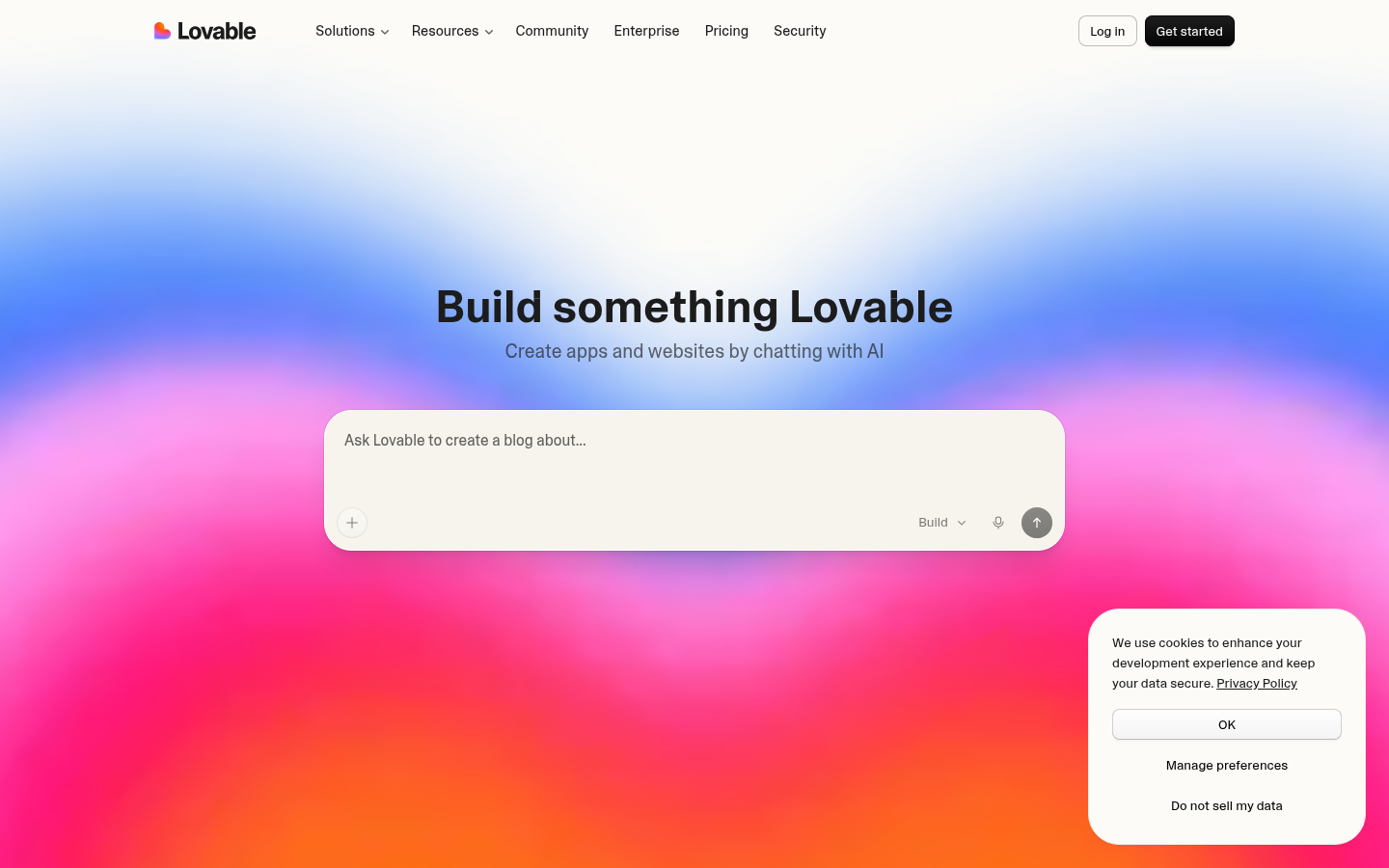
Lovable (formerly GPT Engineer) turned the prompt-to-app idea into a polished product. Its differentiator is depth: it does not just generate frontend code, it spins up Supabase tables, sets up auth, writes row-level security policies, and wires the whole stack together. For a non-technical founder shipping an MVP, that is genuinely useful.
Why it shows up in our anti-pattern gallery
The same depth that makes Lovable feel magical is the reason its output is the most identifiable on the internet right now. Lovable apps have a look: the same gradient hero, the same card grid, the same dashboard chrome. Every one of those screens was invented in the moment. There is no library underneath, no token system, no governance.
When teams adopt Lovable as a way to “skip the design system phase”, what they actually do is bake hundreds of tiny inconsistencies into a codebase that will never be cleaned up. That is the cause we flag in the anti-pattern gallery: the slop look does not come from designers getting lazy, it comes from prompt-to-app tools generating fresh components every time.
Where Lovable is the right call
- A solo founder validating an idea before hiring a designer
- A hackathon project that does not need to outlive the weekend
- An internal tool nobody outside the team will ever see
- A throwaway proof-of-concept to show stakeholders what something could look like
Where Lovable is the wrong call
- Anything customer-facing on a brand that needs to look like itself
- Any product you intend to scale past 10 screens (the inconsistency compounds)
- Any team that already has a design system and component library
How to recover a Lovable project
If you inherited a Lovable codebase and need to bring it back to design system sanity:
- Run an anti-pattern check on the existing screens. Catalogue every component variant Lovable invented.
- Replace inline styles and one-off components with your design system primitives, one screen at a time.
- Keep the backend Lovable generated — Supabase tables, auth, RLS policies are usually fine. The damage is concentrated in the UI layer.
- Set up a
CLAUDE.mdso further AI-assisted work respects the design system from now on.
When to reach for something else
For design-system-respecting generation: v0 by Vercel or Builder.io Visual Copilot. For a real codebase you will keep maintaining: Cursor or Claude with proper rules.
Try with Prompts
Ready-to-use prompts related to this guide
Translate brand guidelines (PDF, style guide) into a structured set of design tokens with proper naming and hierarchy.
Generate comprehensive component documentation including props, usage guidelines, do's and don'ts, and accessibility notes from a component's code.
Generate a full component specification from just a component name, including props, variants, states, tokens, and accessibility requirements.